


Latest news
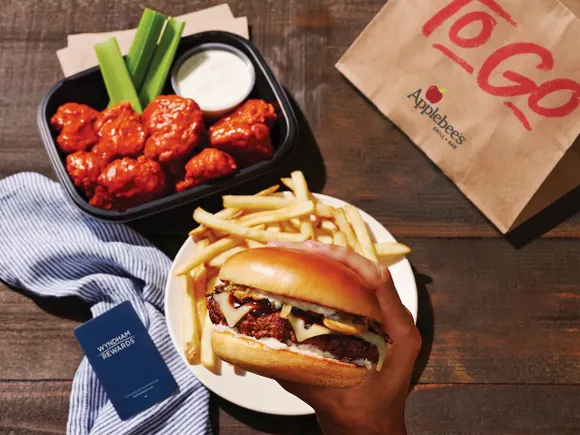
Applebee's announced a partnership with Wyndham Rewards to provide free delivery on orders of $15 or more for members ordering through the Wyndham mobile app. The collaboration covers more than 1,100 Applebee's locations in the U.S. within five miles of Wyndham hotels and is expected to further increase the share of its off-premise business.
Pizza Hut franchisee Chaac Pizza Northeast has filed a lawsuit against the franchisor, alleging that the Dragontail AI system triggered a 'cascade of operational failures,' slowing order processing and disrupting third-party delivery integrations, resulting in approximately $100 million in business and enterprise value losses. Pizza Hut stated it is reviewing the claims and will respond through legal channels.
The U.S. restaurant industry has recently seen a wave of store closures involving well-known brands such as Wendy's, Pizza Hut, and Jack in the Box. Analysts believe this is not a short-term fluctuation but a structural adjustment driven by multiple factors, including market saturation, high costs, and weak customer traffic. Although the industry as a whole is still growing, the pace has slowed, with smaller chains under significant pressure, while large brands and the Sun Belt market still hold expansion potential.
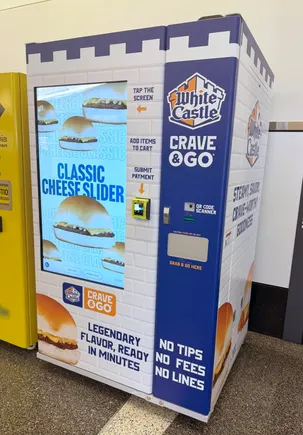
White Castle has partnered with Automated Retail Technologies to bring its Crave & Go vending machines, which serve the brand's iconic mini burgers, to multiple markets with an initial goal of 1,000 locations. The collaboration aims to reach areas such as campuses, hospitals, and workplaces that are difficult for traditional restaurants to access.
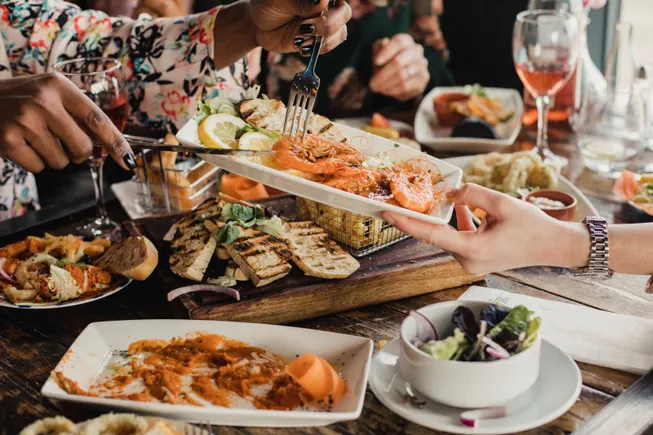
Dining consumption showed high resilience in 2025. GroundTruth's first-party traffic data reveals that seasonal changes significantly impact traffic, with autumn traffic increasing by 43% to 53.8% compared to winter; 95.4% of customers dine within 10 miles of their residence; high-frequency customers (more than 9 visits per month) contributed 640,000 visits. Despite the restaurant price index expanding to 4.1% during the year, dining-out behavior remained stable.
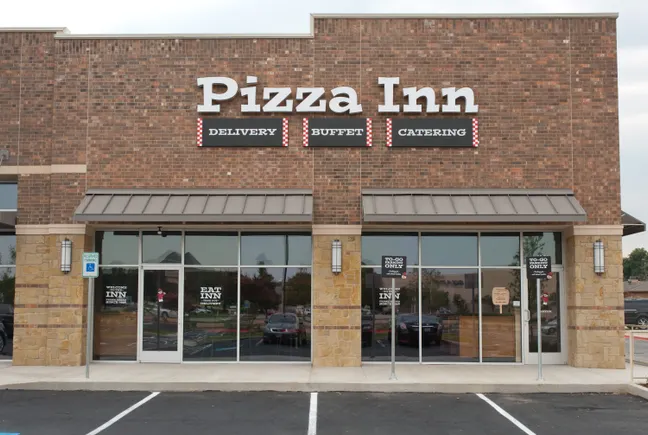
Uber Eats recently raised market fees across most pricing tiers to address rising operational costs. Rave Restaurant Group CEO Brandon Solano expressed dissatisfaction with this, believing Uber did not negotiate in good faith, and subsequently ended the partnership between its Pizza Inn and Pie Five brands and Uber Eats. Solano stated that this move reduced fees to zero, avoided menu price increases, and anticipated losing some order volume, but considered those orders to have extremely low profit margins. The company is currently in talks with DoorDash for an exclusive partnership, while also focusing on dine-in and direct online ordering channels.
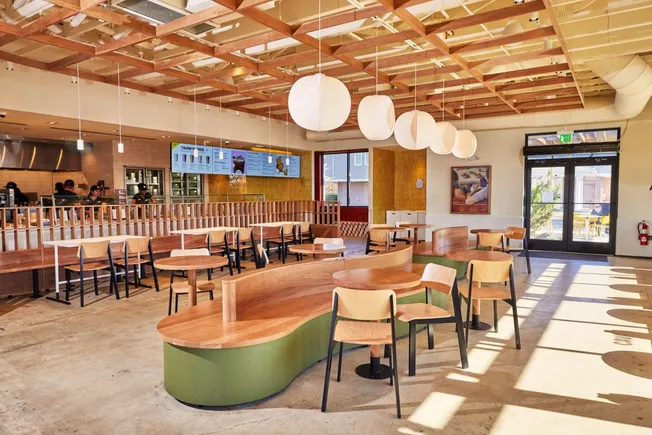
Leading fast-casual restaurant brands mostly adopt the company-owned model, while franchising dominates the QSR sector. Experts point out that the company-owned model offers advantages in capital acquisition, decision-making speed, operational control, and brand consistency, particularly in managing peak-hour operations, expanding new stores, and responding to market fluctuations. Although franchising enables rapid expansion, company-owned brands often achieve higher per-store revenue through economies of scale and refined operations, forming a virtuous development cycle.


In early 2026, the speed and scale of U.S. immigration enforcement actions have stunned employers and their legal counsel. From ICE raids in Minneapolis to new H-1B visa regulations, businesses face unprecedented pressure in compliance, workforce management, and talent retention. This article summarizes lawyers' recommendations, enforcement developments, and industry impacts.
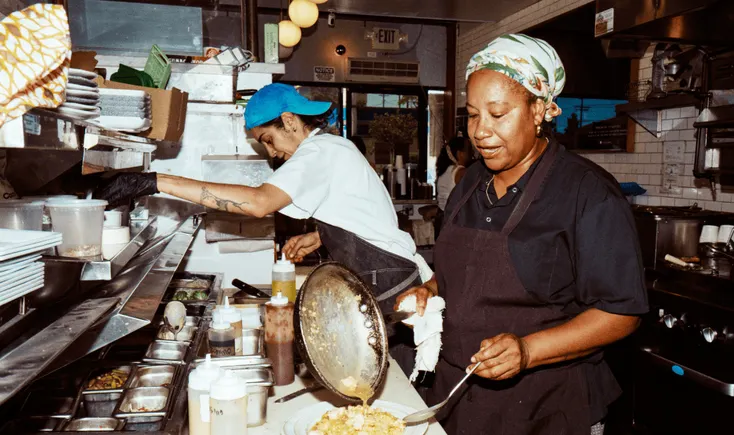
In 2025, the restaurant industry showed the most significant divergence since the pandemic, with the gap between winners and losers widening. Entering 2026, macroeconomic uncertainty persists, but issues such as beverage innovation, casual dining experience upgrades, cost control, and labor retention have surfaced. Based on industry data and analyst views, this article outlines key trends and challenges for the restaurant industry in the new year.