


Latest news
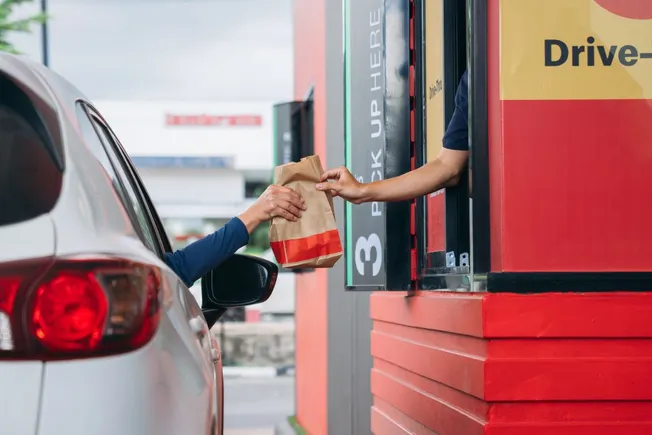
Placer.ai's latest report shows that quick-service restaurant (QSR) foot traffic in May fell 4.4% year-over-year, continuing the downward trend since the start of the year; meanwhile, full-service restaurant foot traffic rebounded by 0.7% after two consecutive months of decline. Short visits (<10 minutes) decreased by 6.8%, possibly related to high fuel costs.
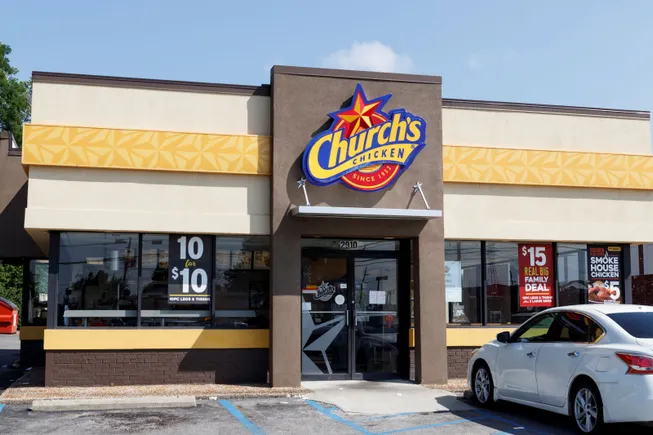
Church's Texas Chicken announced the rollout of its catering delivery service across its entire U.S. restaurant system, offering buffet-style meals, group combo packages, and individually packaged meals. The brand's CEO stated that this move aligns with the continued growth in demand for delivery and off-premise dining. Analysts believe that flexible catering options will help the brand cover more occasions and support its U.S. store expansion and per-store revenue growth.
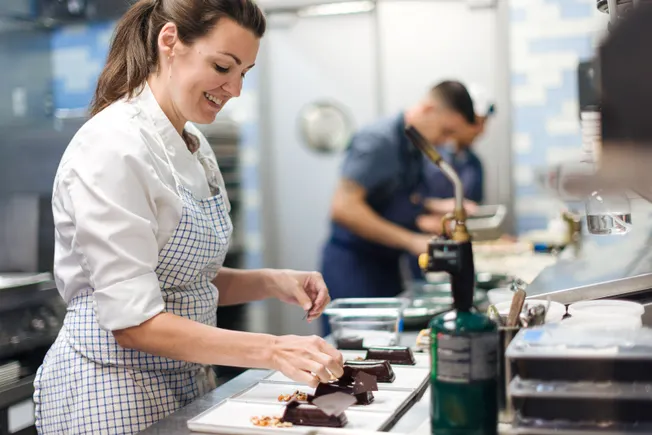
In a guest article, Elise Russ, pastry chef at Clementine, argues that cooking from scratch in 2026 is shifting from an industry standard to an exception. She reflects on the golden age of hotel kitchens, analyzes challenges of cost pressures, skill transmission, and staff education, and emphasizes that while cooking from scratch is neither efficient nor cheap, it may be the most worthwhile choice for a restaurant.
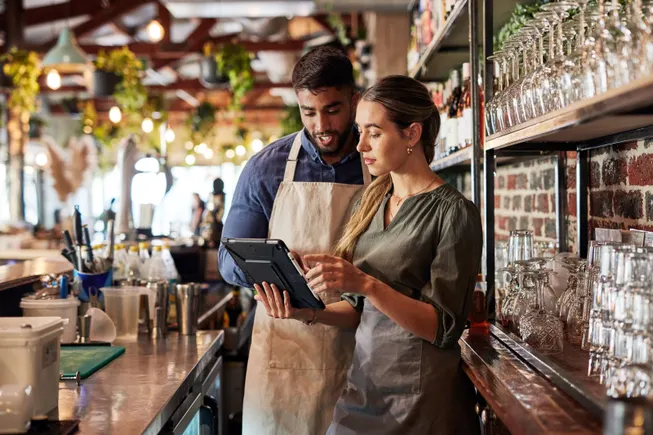
Starbucks quietly shut down its AI inventory system just nine months after launch. Most blame immature technology, but Temo Benidze, a 30-year restaurant veteran and founder of Orbis AI, believes the real issue is that the software adds burden to already overworked staff. He argues that the value of restaurant AI lies in reducing tasks and staying quiet, not in providing more dashboards.

Restaurant business failures often stem from a mismatch between financial tools and actual operational models. This article explores the pain points of financial management in the restaurant industry and proposes key criteria for selecting tools.
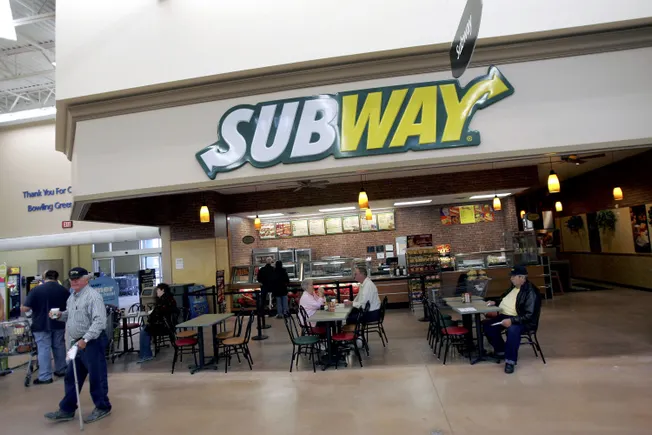
Walmart announced that it will launch Express Delivery on its app and website starting in June, with Subway as the first partner restaurant. Customers can order Subway meals along with their groceries and have them delivered within 30 minutes. Initially covering select stores in six states, the service will expand to about 1,400 stores by the end of summer.
Chick-fil-A has opened its first Florida ghost kitchen in Miami's Wynwood district, continuing to expand its delivery-only operations. The location, operated in partnership with CloudKitchens, offers popular menu items like Chick-N-Minis around the clock and delivers through third-party platforms. This move extends the brand's exploration of virtual concepts and digital pickup, while its total store count continues to grow in 2025.
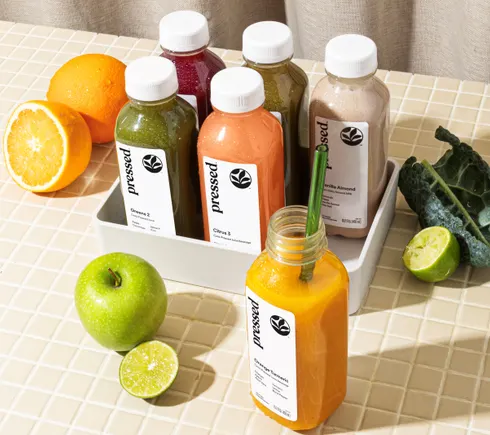
Pressed Juicery has partnered with CloudKitchens to enter 27 delivery centers by the end of summer. This move aims to expand online ordering and delivery operations while leveraging its established wholesale production model to reduce operational costs.
The real crisis in the restaurant industry is not rising ingredient costs, but blocked financing channels. Traditional bank credit processes do not match the cash flow characteristics of the restaurant industry, causing many restaurants to be unable to obtain loans when they urgently need funds. This article suggests that alternative solutions such as equipment financing and credit lines may offer a way out.
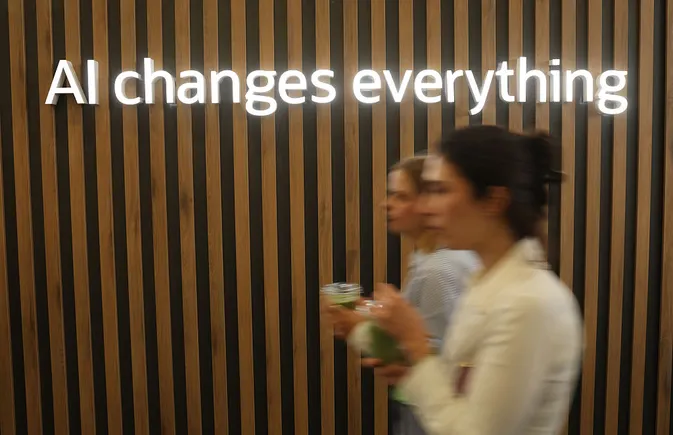
At the National Restaurant Association Show in Chicago, food technology leaders generally expressed concerns about over-reliance on AI, despite their enthusiasm for the technology itself. Executives pointed out that AI's costs, data limitations, and reliability issues make it difficult to be a panacea, and it should instead be used as an auxiliary tool to enhance operational efficiency.