


Latest news

A full year after COVID-19 struck the United States, Seattle's restaurant industry, one of the earliest affected, is still struggling. This article traces the wave of closures, job losses, and sharp revenue declines faced by local restaurants from the first case in January 2020 through multiple lockdowns and reopenings, and explores the complex relationship between indoor dining restrictions and pandemic data.
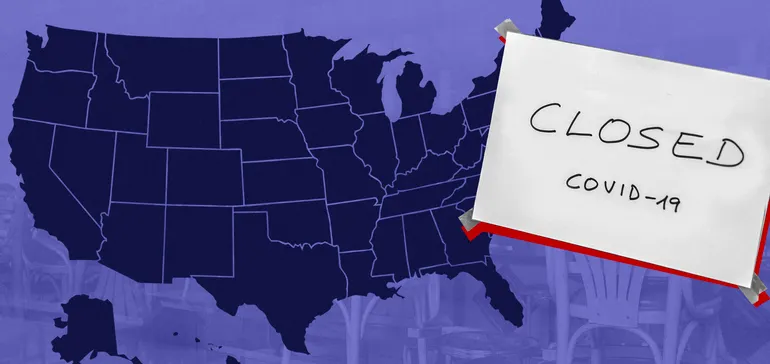
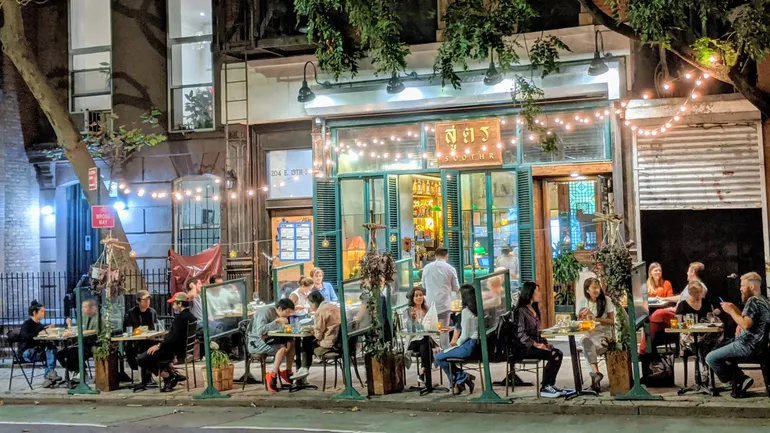
Over the past year of the pandemic, major U.S. dining cities have suffered varying degrees of impact due to policy differences, fluctuations in virus transmission, and weather conditions. This series focuses on six markets, exploring the actual effects of indoor dining capacity limits and the effectiveness of measures such as outdoor dining and winterization subsidies.

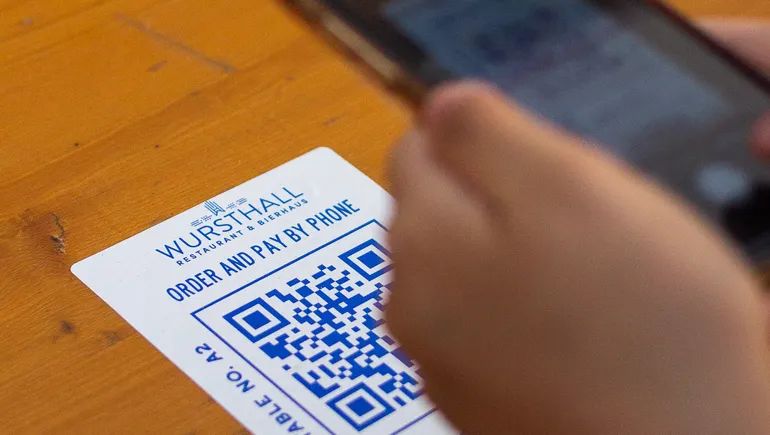
The pandemic continues to impact offline activities, and experiential marketing is attempting a comeback ahead of Valentine's Day. Brands like Dunkin', White Castle, and Lowe's are offering safe experiences such as drive-thru weddings and drive-in services, while virtual and hybrid models run in parallel. Industry insiders believe that contactless and personalized experiences will become long-term trends.

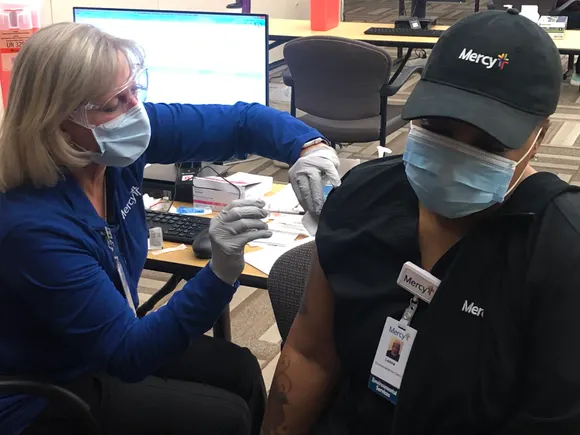
The U.S. EEOC issued guidance on December 16, confirming that employers can, in most cases, require employees to provide proof of COVID-19 vaccination without violating anti-discrimination laws such as the Americans with Disabilities Act. However, the guidance does not clarify how to handle special groups such as pregnant employees and minor employees, and factors such as the emergency use authorization phase of vaccines, employee incentives, union negotiations, and future supply changes all require comprehensive consideration by employers.

After Biden takes office, changes are expected through executive orders and enforcement adjustments in pandemic safety, immigration, and unions. Industries like restaurants that rely on low-wage hourly employees need to pay attention to issues such as OSHA temporary standards, minimum wage, tip wage, worker classification, and H-1B visas.