


Latest news
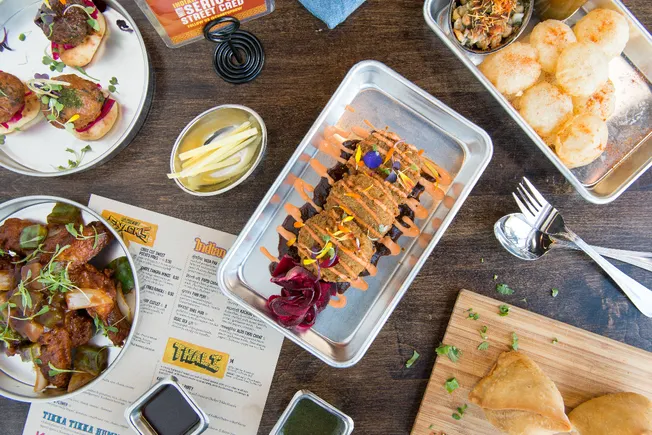
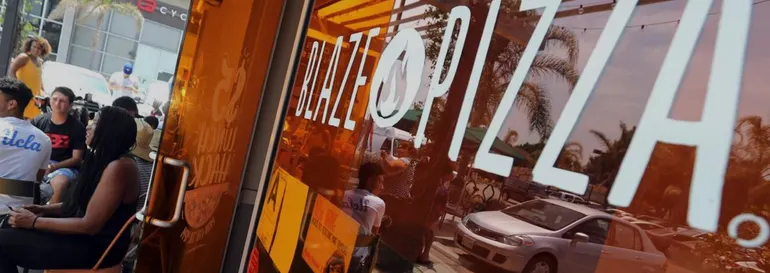
Over the past 22 months, the U.S. restaurant franchising sector has seen a surge in expansion. The fast casual segment, driven by digital capabilities, product quality, and real estate dividends, is attracting a wave of both new and existing franchisees to increase their presence. This article is the second in a four-part series, analyzing the appeal of this segment.
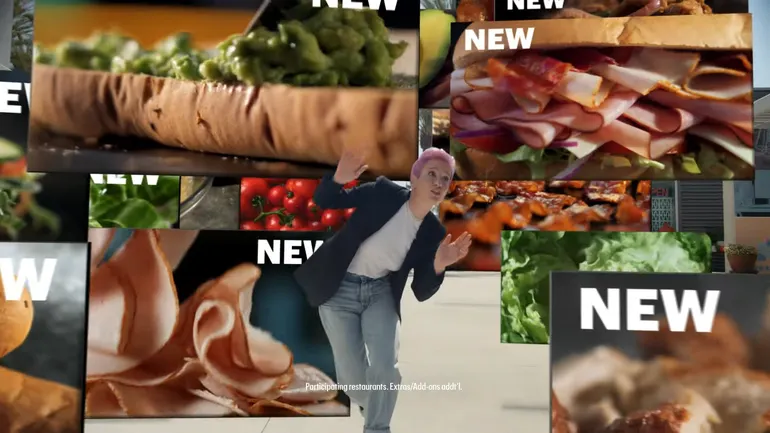
In the restaurant franchise system, there is often tension between headquarters and franchisees regarding marketing demands: the former pursues brand building, while the latter focuses on store sales. The pandemic and the digital wave have intensified this contradiction. This article, drawing on insights from industry figures such as Fransmart CEO Dan Rowe and Five Guys CMO Molly Catalano, analyzes the impact of national marketing campaigns on franchisees and introduces practical cases such as Five Guys' use of tools like Local Hero to empower franchisees and balance the interests of both parties.
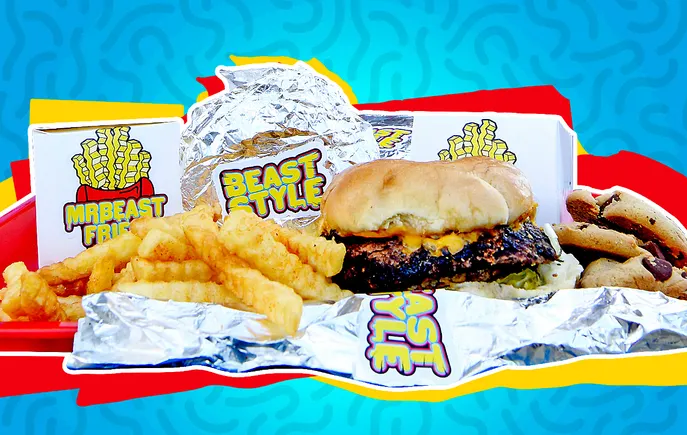
This article is the third in a series on host kitchens and virtual brands, focusing on how virtual brands leverage the host kitchen model for rapid expansion. Using MrBeast Burger as an example, it analyzes the strategies behind its success and operational challenges, and interviews multiple industry experts to discuss the sustainability, transparency issues, and future evolution of virtual brands.
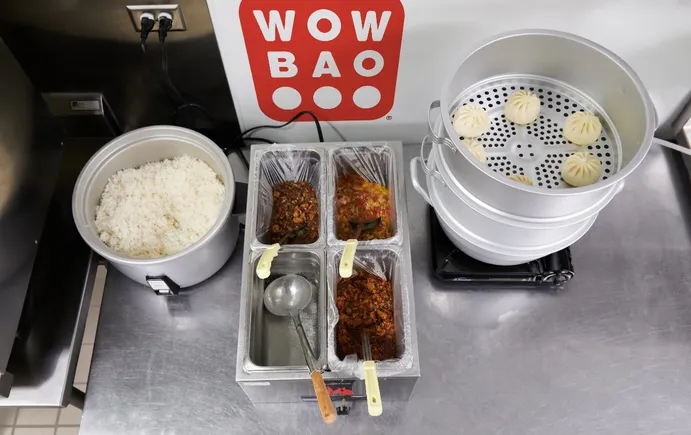
The host kitchen model is becoming a new path for rapid expansion of restaurant brands. Wow Bao opened 53 new locations in a single day through this model, and Nathan's Famous has deployed 235 delivery kitchens. This article analyzes the model's growth potential, brand consistency challenges, and partner selection strategies.
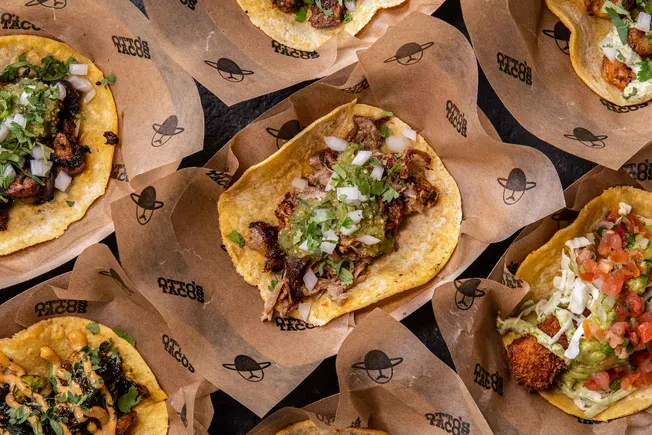
Manhattan barbecue chain Mighty Quinn's brought Otto's Tacos, which had closed due to the pandemic, into its back kitchen, achieving takeout brand production with minimal capital investment and launching a host kitchen partnership. This model requires no additional rent or significant labor, and is becoming a new strategy for the restaurant industry to cope with uncertainty. Experts predict that by 2025, more than half of U.S. restaurants will sell multiple brands.
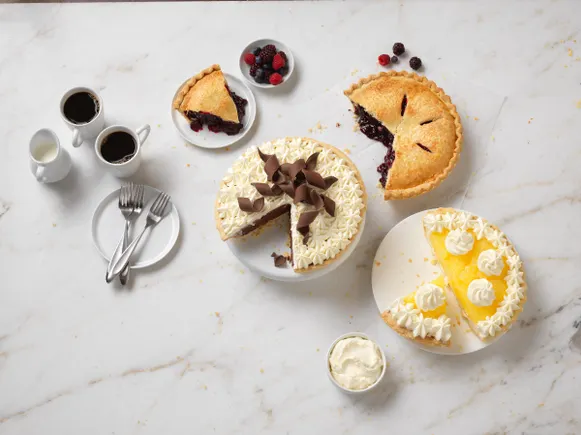
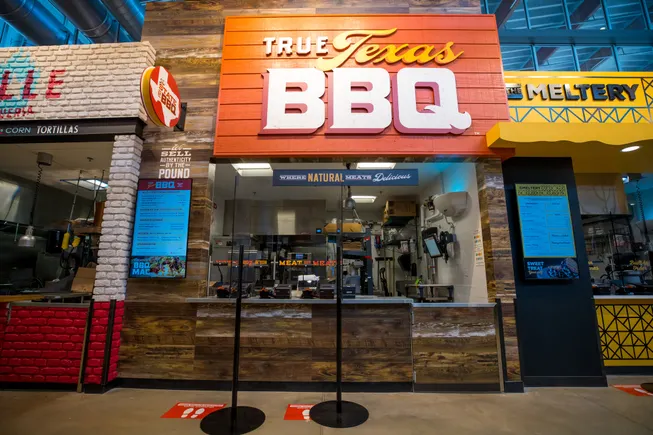
More than a year after the COVID-19 pandemic forced the closure of in-store restaurants and bars, U.S. supermarkets are accelerating their return and upgrading their dining strategies. From The Eatery and The Drinkery at Lucky California's flagship store to Walmart's introduction of ghost kitchens and regional brands, the industry is leveraging food courts, flexible design, and digital integration to make in-store dining a core differentiator.
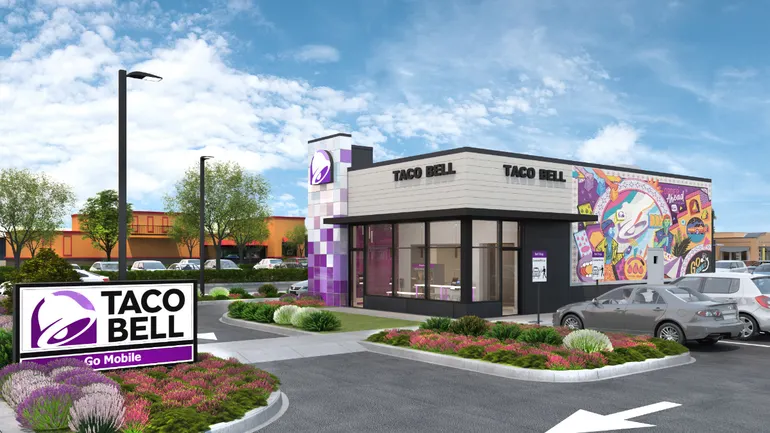
Yum Brands is accelerating its digital transformation by acquiring Kvantum's AI business and Tictuk Technologies, strengthening its e-commerce and data analytics capabilities. Digital sales reached $17 billion in 2020, up 45% year-over-year. Meanwhile, the chief marketing officers of KFC and Pizza Hut in the U.S. market have successively departed, sparking speculation about marketing strategy adjustments. Experts point out that the industry trend is shifting from brand building to performance marketing, but balancing the two remains a key challenge.