


Latest news

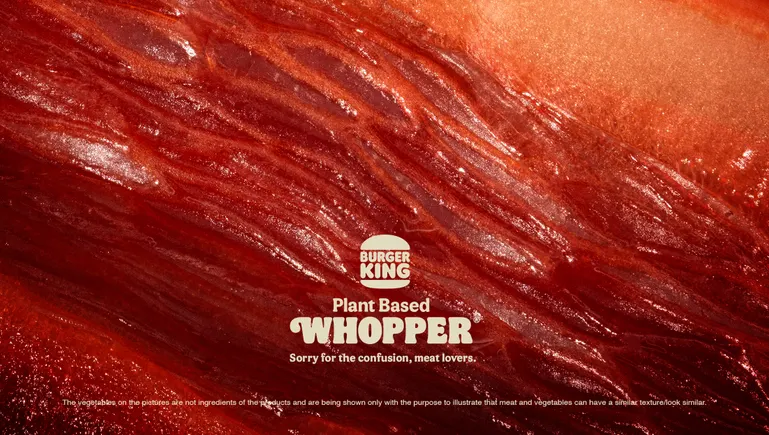
The plant-based food market continues to expand, expected to reach $162 billion by 2030. Quick-service restaurant (QSR) brands like Chipotle and KFC have introduced plant-based products to attract younger consumers. Marketers face the challenge of balancing health, environmental, and taste messaging, while also considering brand consistency, supply chain, and consumer acceptance. Experts advise caution in using health or sustainability claims unless they align with the brand's core values.


Under multiple pressures such as the pandemic, labor, supply chain, and inflation, the foodservice industry's marketing departments face the dual challenges of budget cuts and digital transformation. This article explores trends in digital ordering, first-party data acquisition, brand partnerships, and industry M&A, citing insights from several industry executives to provide coping strategies for foodservice marketers.

Uber Eats and DoorDash achieved or maintained profitability in 2021, but regulatory pressure, rising marketing costs, and increased driver costs may threaten sustainability. Platforms are seeking growth by expanding into new verticals such as retail, groceries, alcohol, and advertising businesses.


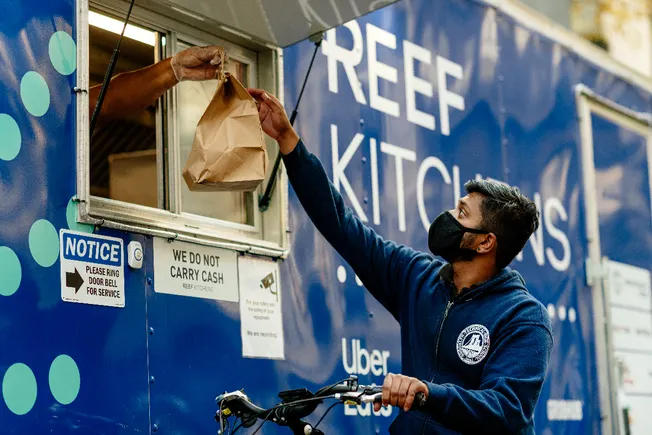
Reef Technology, a leader in the ghost kitchen sector, faces severe regulatory challenges to its expansion plans. In Florida, 58 of 61 inspected kitchens violated health and safety regulations, 21 had high-risk violations, and 2 were forced to close due to sewage leaks. Similar issues have also emerged in Chicago, Houston, and New York. Although Reef claims its business model does not align with existing regulations, regulators have identified multiple violations. Meanwhile, Reef still plans significant expansion, partnering with brands like Wendy's and TGI Fridays to open thousands of ghost kitchens.

After the socially distanced holiday season of 2020, brands are re-centering their marketing around gift-giving and togetherness. Starbucks, Target, and others are putting diversity and inclusion (D&I) at the forefront, responding to growing consumer demand. Industry experts caution that marketing must achieve genuine inclusion across dimensions like race, religion, family composition, age, and disability, and must align internal diversity practices with external advertising to avoid superficial gestures like 'inspirational consumption.'

This article is the last in a four-part series exploring the restaurant franchising boom over the past 22 months. Experts believe that despite optimistic growth prospects for franchising in 2022, capital shortages, legislative restrictions (such as the PRO Act and California AB5), and economic uncertainty may constrain the pace of expansion.