


Latest news
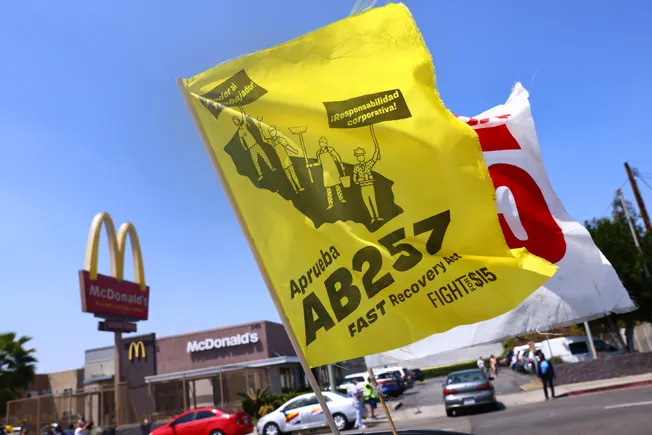
The coalition opposing the Fast Food Recovery Act reached a key milestone on December 5, collecting enough signatures to trigger a statewide referendum, suspending the act until the 2024 general election. The act proposes establishing a labor council for fast food chains with over 100 stores nationwide. Supporters call it a historic labor rights reform, while opponents worry that a $22 minimum wage will disrupt business models. Experts say the act's actual impact remains unclear, with both sides deeply divided over wages, menu prices, and worker rights.

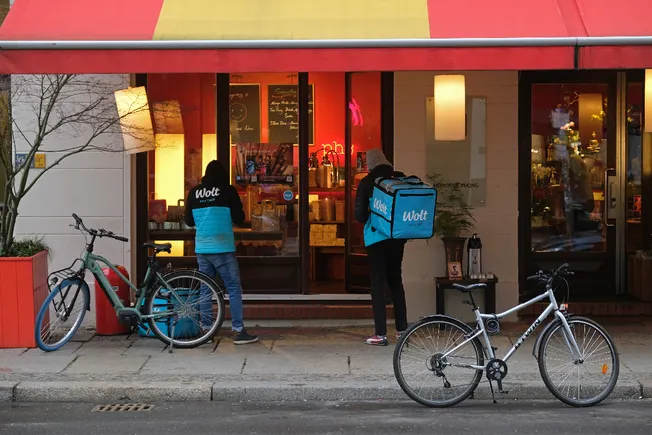
DoorDash entered the European market through the acquisition of Wolt, but international expansion is not a smooth path, requiring it to address competition, costs, and economic uncertainty.
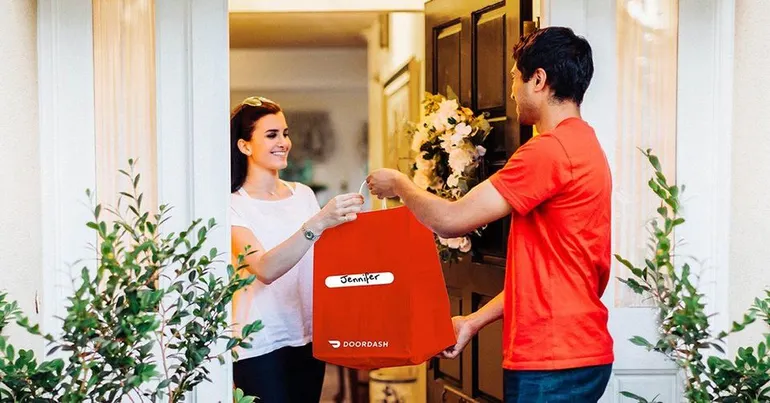
DoorDash started with restaurant delivery and is now actively expanding into new verticals like convenience stores and groceries. Through partnerships with retailers such as Walgreens and Sephora, DoorDash leverages its density advantages and platform scale to drive growth in non-restaurant orders, and is expected to achieve positive variable profit in its convenience store business by 2022.
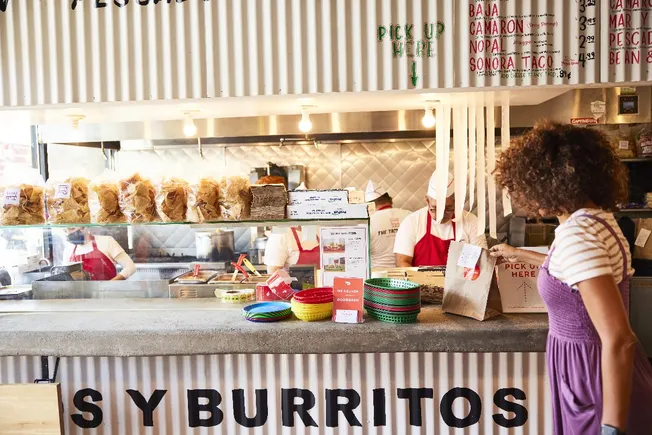
Starting with backyard deliveries on the Stanford campus, DoorDash grew into a food delivery giant covering the entire US and multiple countries within just a few years. Its success stems not only from technology-driven efforts but also from a close communication mechanism established with restaurant partners—from early founders delivering orders personally, to setting up a merchant advisory council and dedicated account managers, to launching products like Storefront with zero commission. DoorDash has always centered on merchant needs. This article, through the perspectives of restaurant operators, co-founders, and executives, reconstructs its growth path and key decisions.
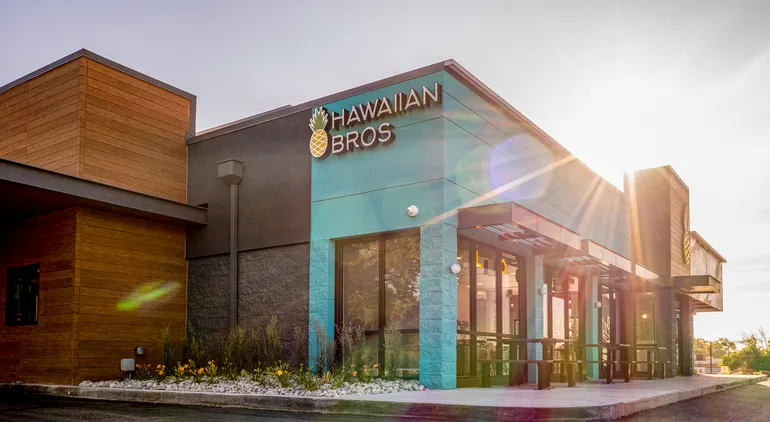
This article is the second in a series, focusing on the challenges and strategies faced by chain restaurant brands as they expand their drive-thru channels. Hawaiian Bros has compressed its window service target to 30 seconds by adding dedicated service lines, dual-window division of labor, and outdoor ordering staff; Auntie Anne's and Jamba's co-branded drive-thru stores have improved order fulfillment speed by adding warming stations and window pickup racks; Taco Bell franchisee Diversified Restaurant Group has adopted a dual-lane separation design, reducing mobile order pickup time to under one minute; Schlotzsky's has launched two drive-thru prototype stores and continues to optimize signage and payment technology. Data shows that from February 2020 to February 2022, drive-thru order volume grew by 20%, highlighting the strategic importance of this channel.
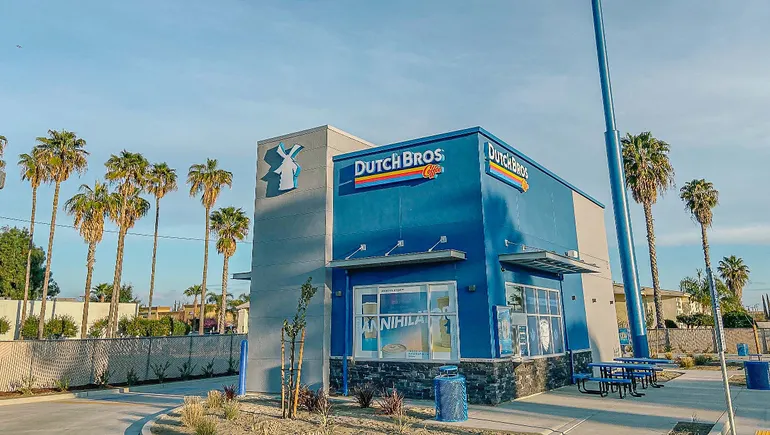
Drive-thru restaurant development is encountering multiple obstacles, including supply chain disruptions, labor shortages, and soaring construction costs, leading to extended project timelines and significantly increased expenses. Chain brands are adjusting development plans, exploring smaller-format stores, optimizing site selection strategies, and strengthening communication with municipal authorities to maintain expansion momentum in a competitive market.
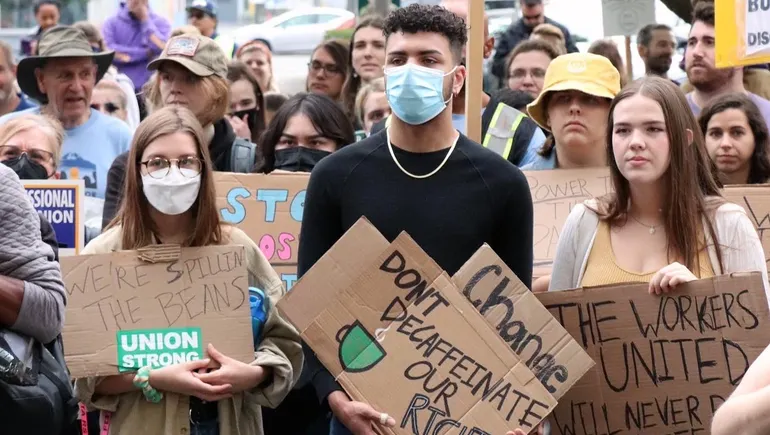
Starbucks Workers United (SBWU) has put forward 15 non-economic proposals covering anti-discrimination, just-cause dismissal protections, and labor-management committees, aiming to grant workers more participation in management. However, labor negotiation experts point out that Starbucks may seek broad management rights clauses, indicating a potential fundamental divergence in the goals of both parties.
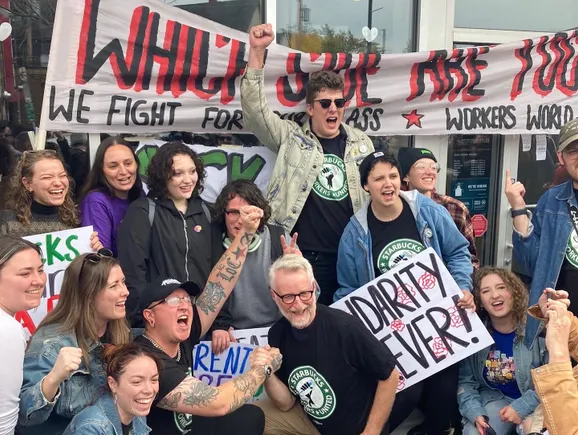
Starbucks Workers United (SBWU) has won elections at over 250 stores in more than a year, representing about 6,500 workers, but first-contract negotiations have stalled over issues such as Zoom participation and bad-faith bargaining allegations. With the decertification window about to open, the union faces structural challenges including time urgency, staff turnover, and financial disadvantages.
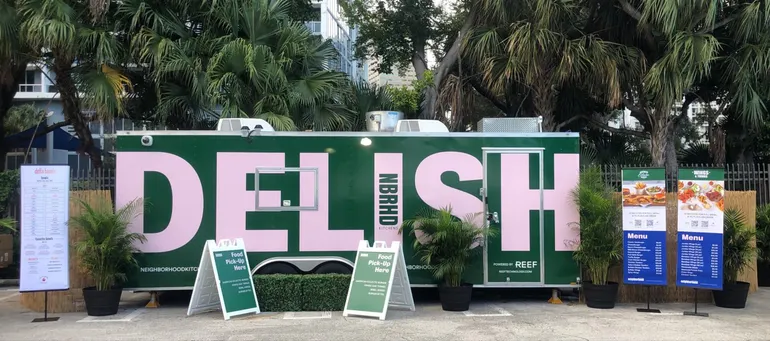
Mobile ghost kitchen operator Reef Technology is working with multiple cities to develop pilot regulations to address operational restrictions its mobile food trucks face under current food truck rules. The company has pushed for regulatory reforms in Miami, Dallas, Orlando, and other locations, while also exploring alternative expansion paths such as hotel kitchens and physical storefronts.