


Latest news
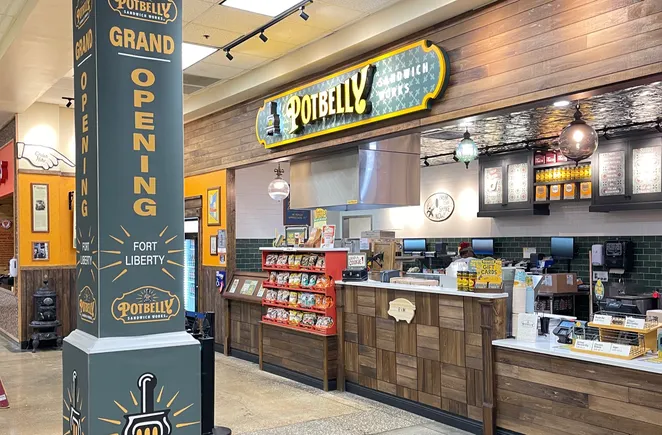
In late 2025, RaceTrac acquired Potbelly for $566 million, shaking up the convenience store industry. Experts are divided on whether this will trigger more convenience store acquisitions of fast-food brands. Supporters believe large regional players have the capital and motivation to follow suit, while cautious observers point to risks such as operational complexity and brand dilution, arguing that most companies are better suited to building in-house or forming partnerships.
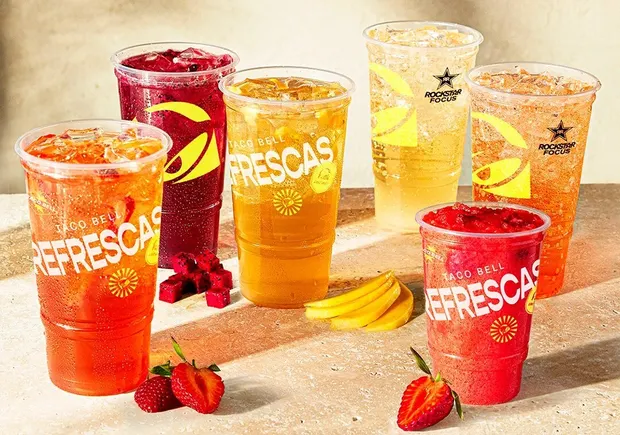
In 2026, investment in beverage innovation in the restaurant industry is expected to continue growing. Cold drinks, premiumization, energy drinks, and non-alcoholic beverages are key trends, with both QSR and full-service restaurants increasing their focus.
After the holiday peak, January customer traffic declines, putting pressure on restaurant operators' profit margins. Julie Powell, Senior Director of Industry Insights at Toast, writes that leveraging the slow season to implement back-of-house automation, optimize labor and inventory management, and attract customers through personalized loyalty programs and targeted marketing can effectively stop the bleeding and lay the foundation for year-round profitability. The article cites 2025 industry survey data and multiple restaurant case studies, providing actionable strategies.
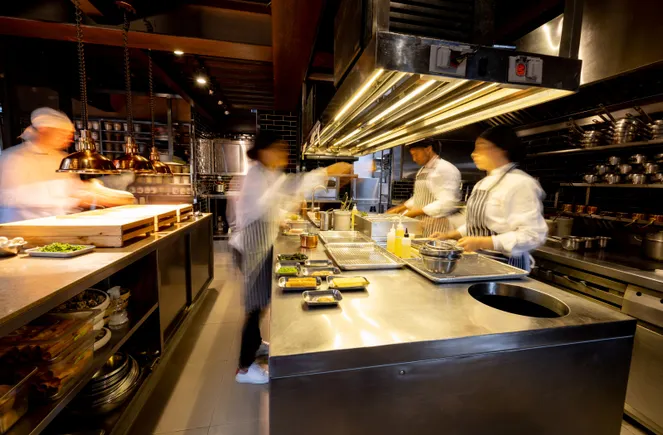
In 2026, the restaurant industry may face financial difficulties, with trade policies driving up costs and consumers tightening spending. BTIG analyst Peter Saleh predicts the industry will experience a "year of humility," with market leaders gaining share. Despite pressure on traffic and sales, experts point out that chicken and sauce innovation, health-conscious menus, a broader definition of value, and employee retention strategies may offer opportunities for a turnaround.
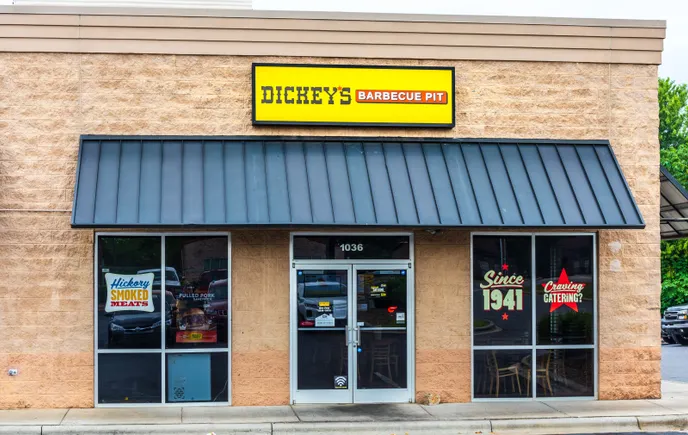
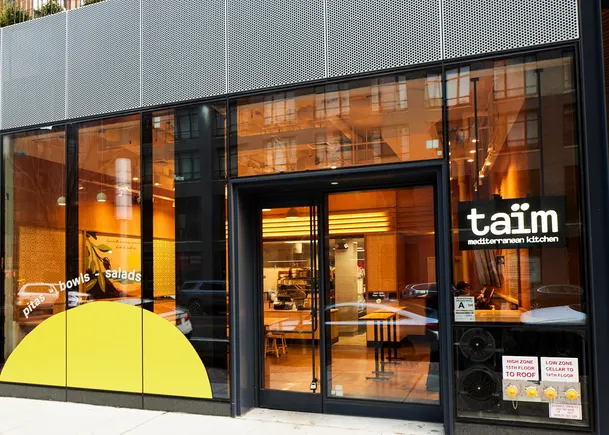
Cava's store count has grown 52% within two and a half years of its IPO, yet the Mediterranean fast-casual segment it dominates remains immature. This article examines the growth strategies of four brands—Taim, Taziki's Mediterranean Cafe, Nick The Greek, and The Halal Guys—from franchise expansion and regional focus to menu simplification—and how they address direct or indirect competition with Cava.

The CEO selection is one of the decisive factors in turning around a restaurant brand. From Starbucks' Brian Niccol to Potbelly's Bob Wright, successful transformation cases show that boards need to find leaders who can formulate clear strategies, possess industry experience or transferable skills, and are adept at listening. Outsiders to the industry face a steep learning curve, while internal promotions may be constrained by old culture. This article outlines the common traits of successful CEOs, the path to formulating turnaround strategies, and the key roles in management team restructuring.
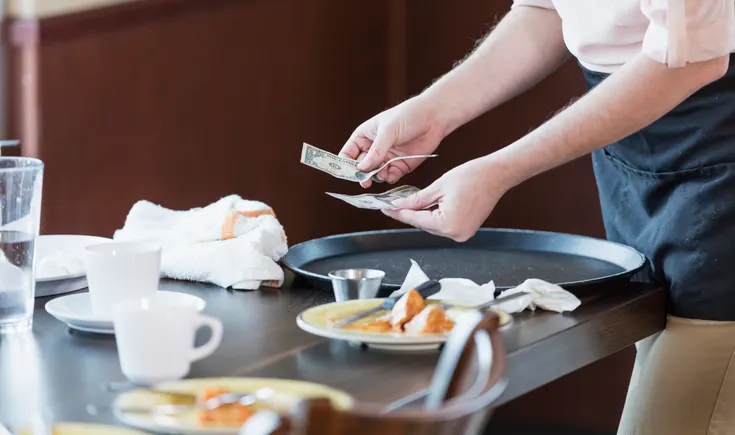
As the U.S. House of Representatives passes the 'One Big Beautiful Bill' containing provisions to eliminate the federal tax on tips, and the Senate passes a similar 'No Tax on Tips Act,' the hotel industry is filled with anticipation for this policy change. However, the bill's details, coverage scope, and actual impact on low-income employees remain contentious.
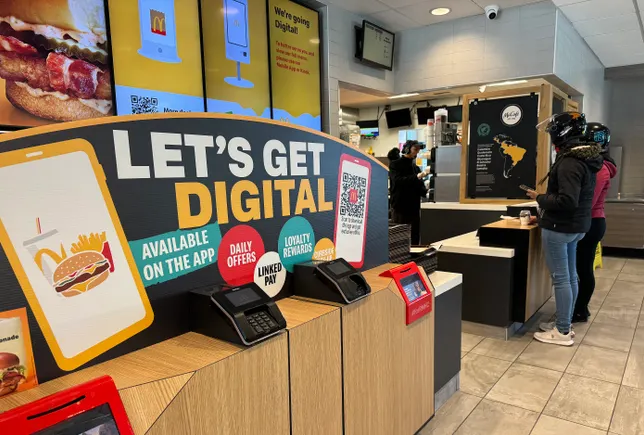
Amid economic uncertainty and tariff fluctuations in 2025, major restaurant chains are adjusting their marketing strategies, shifting from price-focused approaches to nostalgia and innovation, while upgrading loyalty programs and increasing investments in digital technology. McDonald's boosts sales through cultural collaborations and major events, Starbucks revitalizes its brand with the "Hello Again" campaign, Papa John's launches the "Meet the Makers" creative marketing initiative, Cava optimizes its loyalty program, and Yum Brands leverages AI and digital tools to enhance personalized marketing.