


Deepseek
来自我们记者的行业洞察
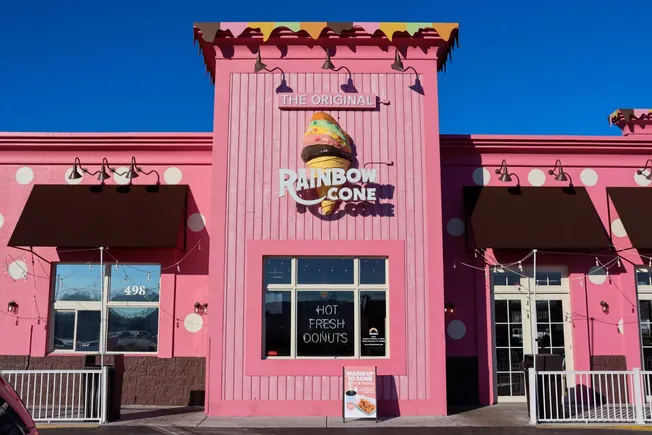
Dessert concept stores are experiencing record growth, with brands from rainbow ice cream to cookies expanding rapidly. However, behind the craze lie challenges such as declining per-store sales and difficulties in site selection. This article analyzes the growth drivers, business models, and future risks.
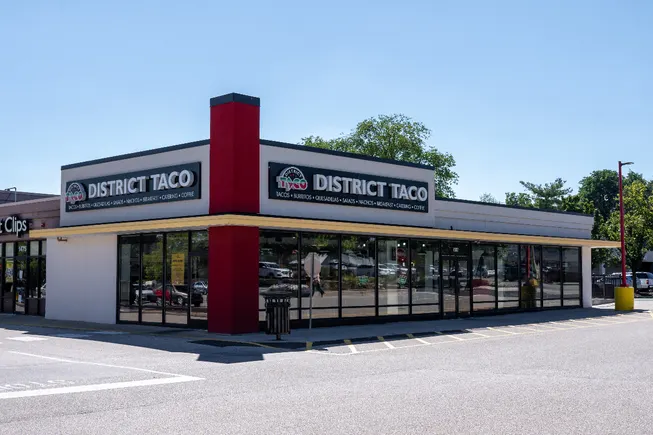
Chipotle, with its company-owned model and Chipotlanes drive-thru lanes, achieves an average revenue of $3.15 million per store and plans to expand to 7,000 locations. Facing this giant, four chain brands—District Taco, Qdoba, Moe's Southwest Grill, and Burritobar—are exploring their own paths to catch up, centering on franchising, combined with regional characteristics, menu differentiation, and smaller store formats. This article analyzes these brands' strategies, challenges, and industry prospects.
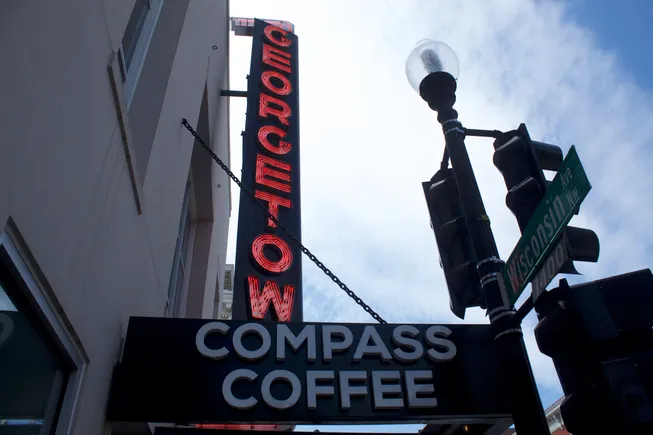
Compass Coffee conducted mass hiring on the eve of a union election, including executives and outsiders, raising questions about ballot eligibility and the fairness of the election.
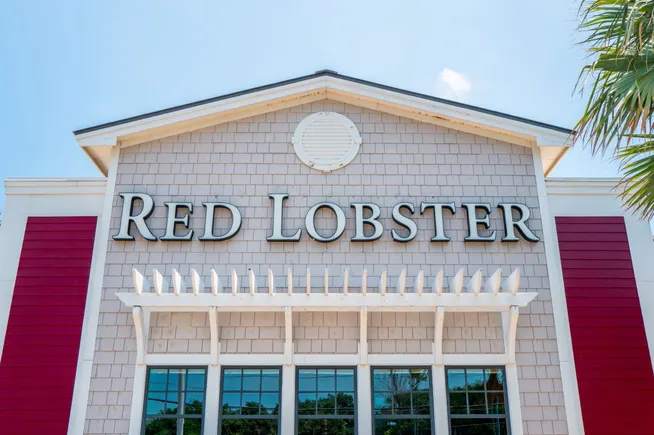
Red Lobster's bankruptcy was not solely due to the 'Endless Shrimp' promotion; its financial troubles can be traced back to a sale-leaseback transaction in 2014. This article analyzes how the real estate deal, management changes, and supplier disputes collectively led the seafood chain giant to bankruptcy reorganization.
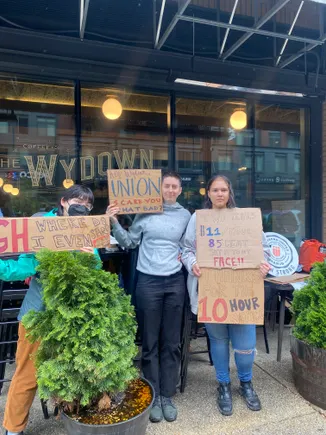
Two Wydown coffee shops in Washington, D.C., suddenly closed four weeks before the union election vote count, potentially ending employees' organizing efforts.
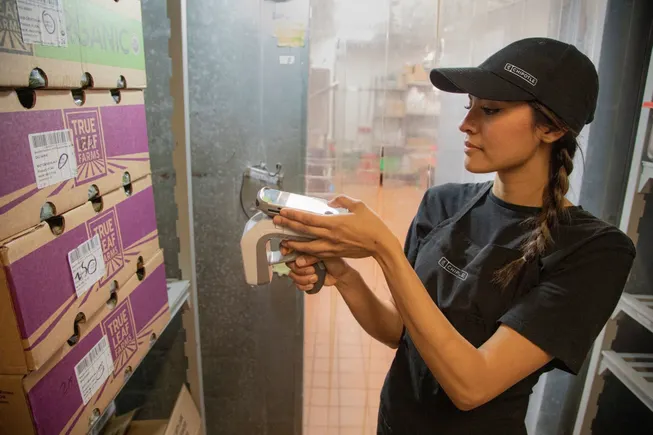
Chipotle's vice president of supply chain, Carlos Londono, said the company has required all suppliers to attach RFID tags to products, making it the first restaurant chain to deploy the technology on a large scale. After completing a pilot at 200 stores in the Chicago area, the company is on track to roll out RFID to all 3,500 restaurants by year-end to improve inventory management, limited-time new product supply, and end-to-end traceability. Additionally, Chipotle is advancing a supplier visibility project with the Oracle platform and plans to upgrade its existing ERP system.
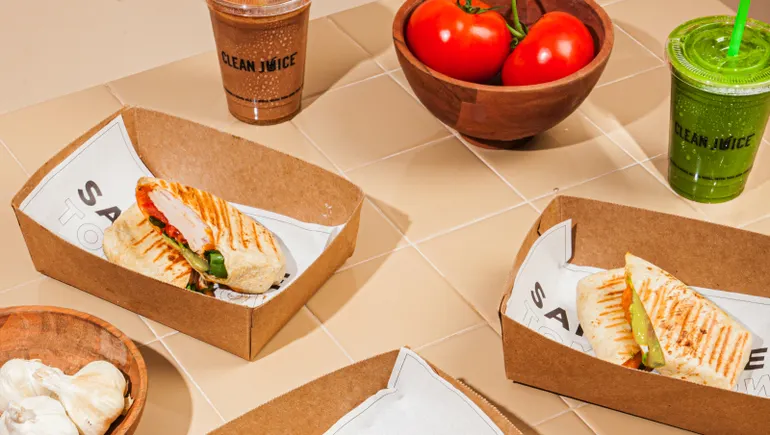
Amid evolving health consumption trends, juice chain brands such as Clean Juice, Main Squeeze, Joe & The Juice, Beyond Juicery, Nekter, and Juice it Up are incorporating meals into their menus to attract non-traditional juice customers, while enhancing store profitability and brand awareness through equipment upgrades, co-branded partnerships, and seasonal product testing.
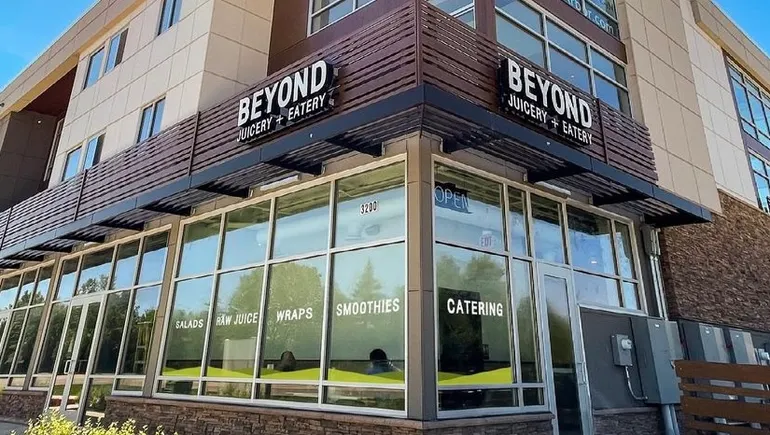
Since 2022, multiple juice chain brands have faced pressure from rising food and labor costs, making it difficult to sustain profit growth through price increases alone. Brands such as Beyond Juicery + Eatery, Main Squeeze Juice Co., Clean Juice, and Joe & The Juice are exploring more sustainable profit models through strategies including cost analysis, store design optimization, product process adjustments, and delivery channel expansion.
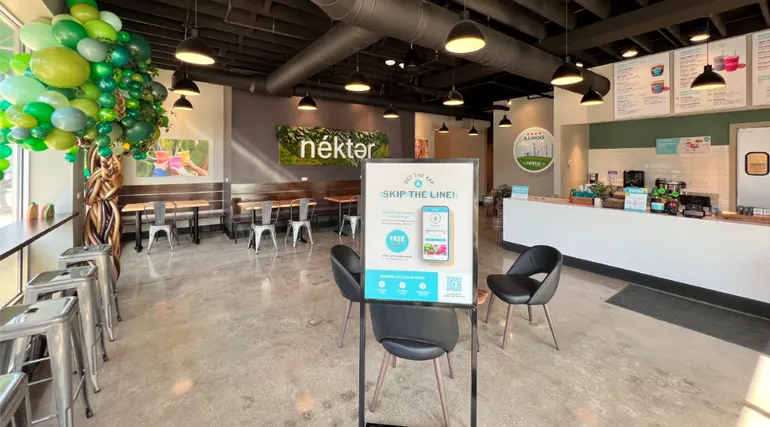
This article is the first in a series on juice chain brands, analyzing how regional brands like Nekter Juice Bar and Main Squeeze Juice Co. are achieving aggressive growth driven by the demand for healthy eating through franchising, mergers and acquisitions, and new market expansion, while also looking ahead to 2024 expansion plans.
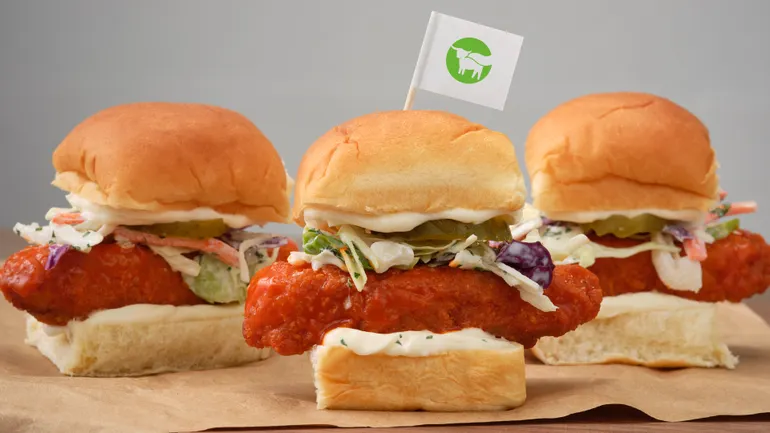
In 2023, the plant-based meat industry encountered a significant slowdown in sales, with several companies exiting or contracting. Pioneers like Beyond Meat and Impossible Foods face growth bottlenecks, and industry executives and analysts believe that the key in 2024 lies in improving market communication to attract flexitarians in a more inclusive manner, while addressing challenges such as taste, price, and clean labels.