


Deepseek
来自我们记者的行业洞察

A year after the pandemic outbreak, Los Angeles' restaurant industry struggles to survive amid repeated outdoor dining bans. Practitioners accuse policies of being arbitrary and lacking data support, as the industry faces multiple blows from store closures, sharp employment declines, and sales drops. Although courts overturned the ban, state-level orders kept outdoor dining suspended for an extended period. This is the third piece in a series, analyzing the complex relationship between policies and pandemic data.
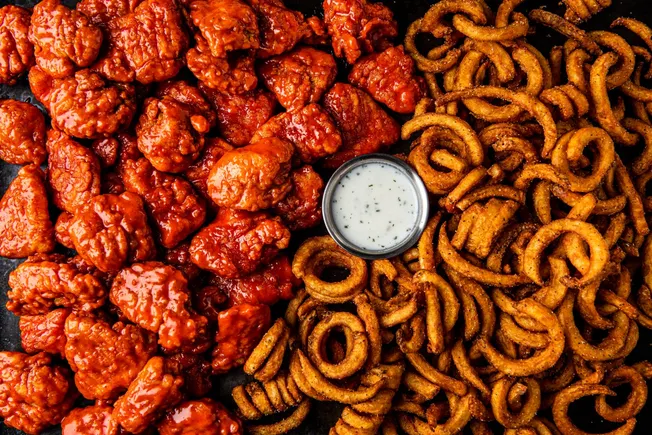
With the rise of third-party delivery platforms, virtual brands have become an important strategy for chain restaurants to cope with declining dine-in demand. However, marketing virtual brands requires both rapid market entry and building awareness in crowded platforms, while facing challenges such as commissions, data utilization, and brand differentiation. This article analyzes the practices of multiple catering companies and looks ahead to the development prospects of virtual brands in the post-pandemic era.
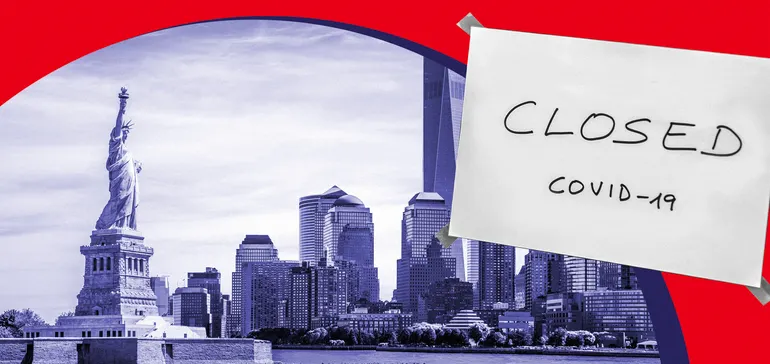
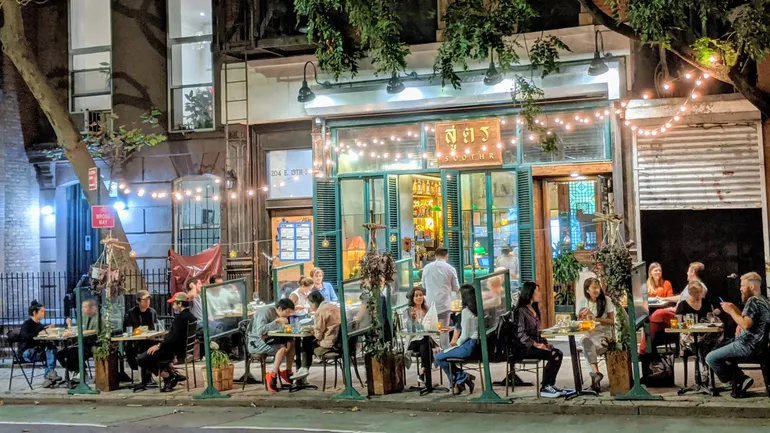
One year after the outbreak of the pandemic, New York City's restaurant industry has faced multiple impacts, including a sharp decline in tourists, the loss of office workers, and repeated restrictions on indoor dining. Over a thousand restaurants have closed, with employment and income dropping significantly. This article reviews key data and the policy timeline, and explores the relationship between restrictions and the spread of the pandemic.

A full year after COVID-19 struck the United States, Seattle's restaurant industry, one of the earliest affected, is still struggling. This article traces the wave of closures, job losses, and sharp revenue declines faced by local restaurants from the first case in January 2020 through multiple lockdowns and reopenings, and explores the complex relationship between indoor dining restrictions and pandemic data.
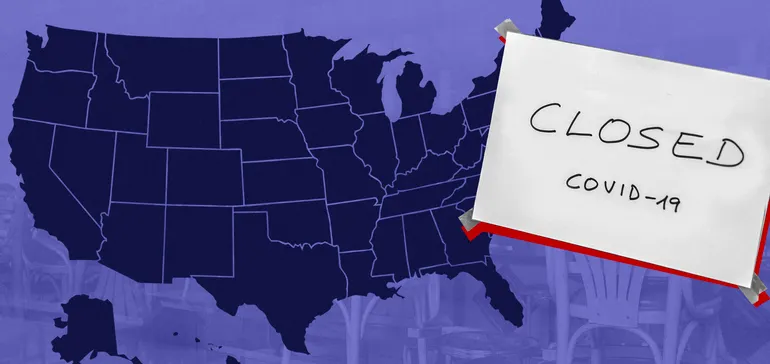
Over the past year of the pandemic, major U.S. dining cities have suffered varying degrees of impact due to policy differences, fluctuations in virus transmission, and weather conditions. This series focuses on six markets, exploring the actual effects of indoor dining capacity limits and the effectiveness of measures such as outdoor dining and winterization subsidies.
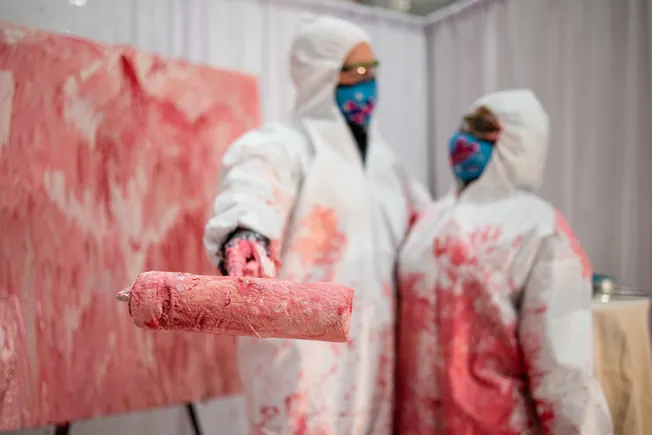
The pandemic continues to impact offline activities, and experiential marketing is attempting a comeback ahead of Valentine's Day. Brands like Dunkin', White Castle, and Lowe's are offering safe experiences such as drive-thru weddings and drive-in services, while virtual and hybrid models run in parallel. Industry insiders believe that contactless and personalized experiences will become long-term trends.

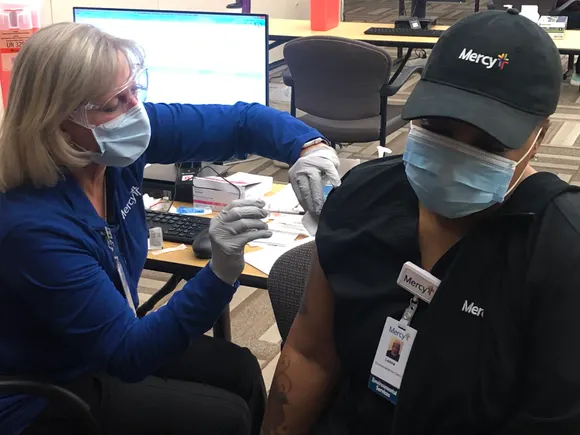
The U.S. EEOC issued guidance on December 16, confirming that employers can, in most cases, require employees to provide proof of COVID-19 vaccination without violating anti-discrimination laws such as the Americans with Disabilities Act. However, the guidance does not clarify how to handle special groups such as pregnant employees and minor employees, and factors such as the emergency use authorization phase of vaccines, employee incentives, union negotiations, and future supply changes all require comprehensive consideration by employers.