


Labor & Policy
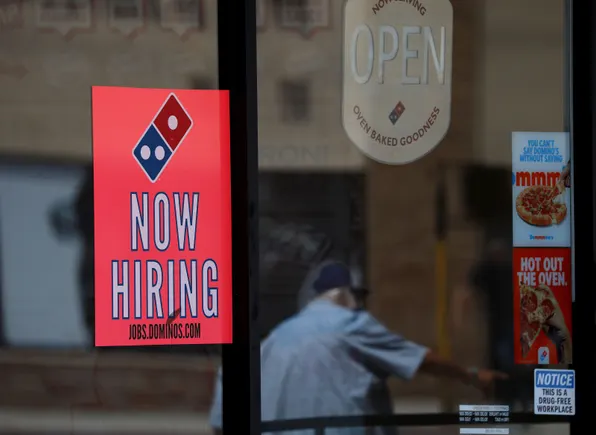
According to Toast's 2026 Restaurant Industry Voice survey, hiring intentions in the restaurant industry have cooled significantly, while the importance of employee retention strategies is increasingly prominent. The survey shows that the proportion of operators planning to expand hiring dropped from 60% in 2025 to 49%, while the proportion planning to maintain current workforce levels rose to 48%. The industry is addressing labor challenges through optimized scheduling, technology adoption, and internal promotions, while some large chain brands continue large-scale hiring to support expansion.
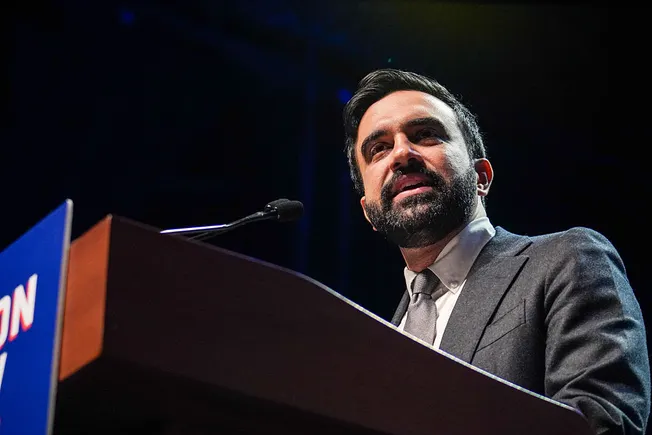
New York City Mayor Mamdani signed a bill this week to remove seasonal restrictions on roadway dining structures, making outdoor dining year-round. Meanwhile, a fall ballot proposal aims to shorten the application process and reduce fees. This move has gained support from the restaurant industry and may serve as a reference for other cities.
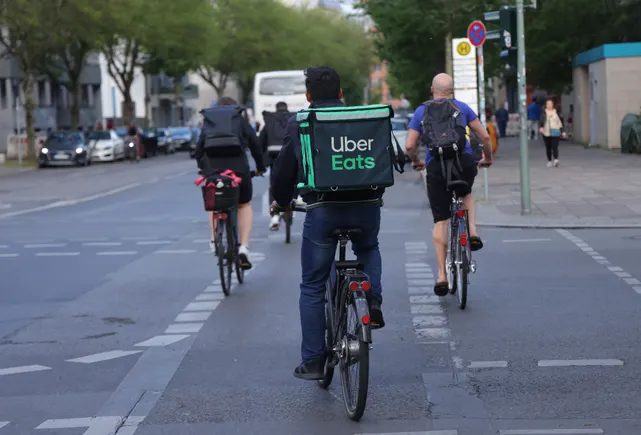
Uber and Wonder recently announced layoffs respectively, with Uber cutting about 3,000 jobs and Wonder about 150, aiming to simplify organizational structures and focus on core businesses.
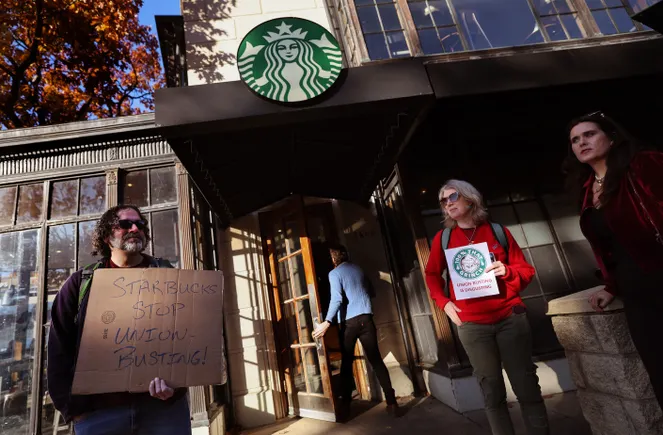
Starbucks is currently facing simultaneous pressure from labor organizations and investors. SOC Investment Group has submitted a shareholder proposal to separate the CEO and chairman roles; Starbucks Workers United has launched a new round of consumer boycotts, urging the company to reach a collective bargaining agreement promptly. Previous rounds of pressure and strikes have not led to a final agreement, and consumer boycotts may affect the pace of the company's multi-year transformation plan.
The U.S. Federal Trade Commission announced it is paying out $23.8 million to 640,038 individuals as part of a settlement with Grubhub over alleged deceptive business practices. The payments stem from a $25 million agreement reached in late 2024 with the FTC and the Illinois Attorney General. Recipients include drivers and diners, though the FTC has not clarified exact eligibility criteria.
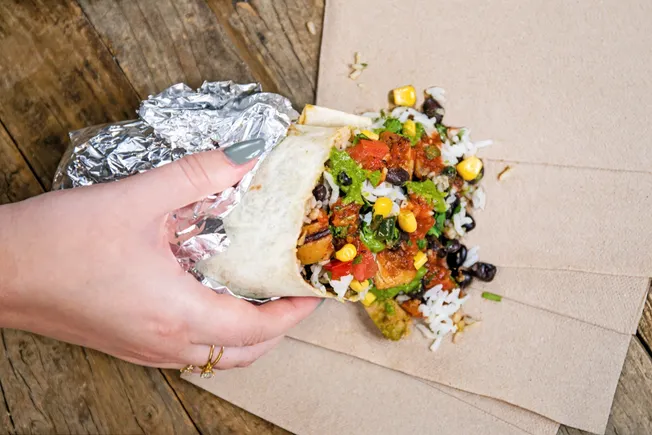
The U.S. Centers for Disease Control and Prevention reported that a salmonella outbreak linked to contaminated jalapeños distributed by Coast Citrus Distributors has sickened 345 people across 27 states. Chipotle, Qdoba, and Sweetgreen have removed the product or switched suppliers.
Chipotle issued a statement on Tuesday saying it had proactively removed potentially contaminated green peppers from some locations, following a salmonella outbreak in Minnesota. State health officials have confirmed 110 linked cases through genomic sequencing, 75 of whom had dined at the brand. Health officials said that given the measures the company has taken, they are no longer concerned about further spread.
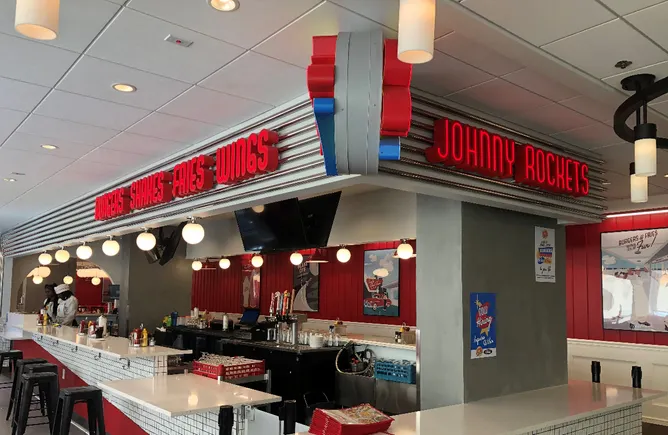
Restaurant brands often create unique experiences through performative services such as employee scripts, songs, and dances, but experts warn that while this approach enhances brand consistency, it may also, due to excessive deliberation, trigger customer aversion, employee burnout, and even harm long-term repeat purchase rates.
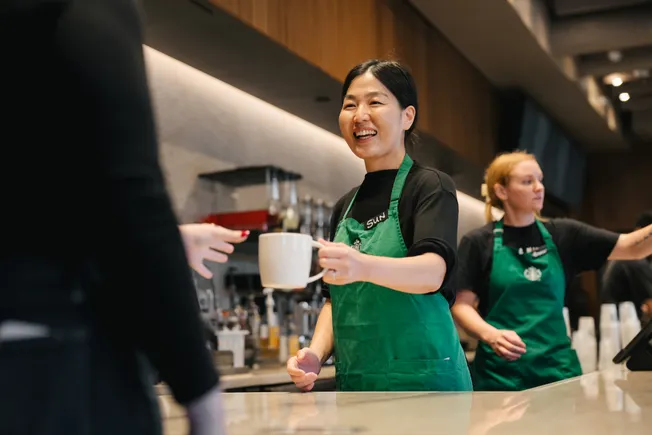
Starbucks' U.S. same-store sales grew 7.9% year-over-year in Q3 of fiscal year 2026, with transactions up 4.2%, marking the third consecutive quarter of growth. CEO Brian Niccol stated that the Green Apron service model, store renovations, and product innovation were key drivers. The company raised its full-year outlook to approximately 6% growth and plans to complete 1,500 store renovations by the end of September.
The latest update from the U.S. CDC indicates that the cyclosporiasis outbreak linked to Taco Bell has spread to nine states, with four new states added: Illinois, Kansas, Oklahoma, and Pennsylvania. As of July 24, a cumulative total of 1,947 cases have been reported, and the source investigation points to Mexican iceberg lettuce from Taylor Farms.